More of your customers are asking ChatGPT, Perplexity and Google’s AI Overviews for recommendations instead of scrolling a page of blue links. When they do, one business gets named in the answer and the rest are invisible. Answer engine optimization is the work of making sure your business is the one that gets cited. This guide explains what answer engine optimization is, why it matters in 2026, and how a small business can start.
What answer engine optimization means
Answer engine optimization, or AEO, is the practice of structuring your content so AI answer engines can read it, trust it, and quote your site as the source in their replies. It sits beside a closely related term, generative engine optimization (GEO), which focuses on earning a mention inside the longer answers tools like ChatGPT and Gemini generate. In practice you work on both at once, because the engines overlap.
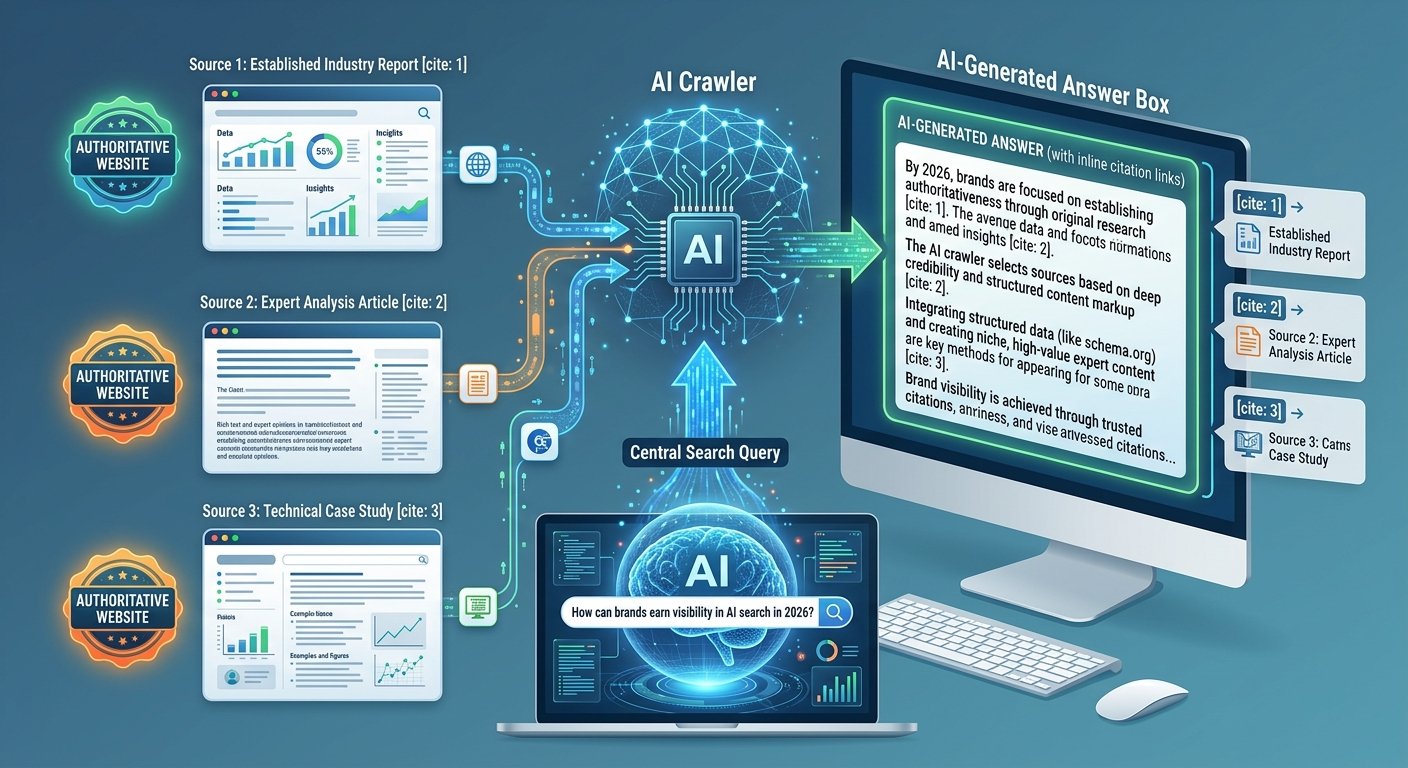
The shift from traditional search is straightforward. A search engine returns a list of documents and you click one. An answer engine returns a single synthesized answer, often with only a handful of citations, and many users never click through at all. If your business is not inside that answer, you are not in the running, which is exactly the gap answer engine optimization is built to close.
Why AEO matters now, not later
The numbers behind this shift are hard to ignore. Gartner has predicted that traditional search engine volume will drop around 25% by 2026 as people move to AI chatbots and assistants. HubSpot’s 2026 State of Marketing report found that more than 92% of marketers are already optimizing for AI answer engines or plan to. And the traffic that does arrive from AI search is valuable: Semrush found that visitors coming through AI search convert at about 4.4 times the rate of traditional organic visitors, because they tend to arrive later in the buying process, after the AI has already vetted their options.
For a small business this is both a risk and an opening. The risk is losing visibility you used to get from Google rankings. The opening is that most of your competitors have no answer engine optimization strategy at all, so the field is wide open for whoever moves first.
How answer engines choose who to cite
AI answer engines look for the same trust and authority signals that traditional search values, plus a few of their own. They favour content that is easy to extract a clear answer from, that states facts plainly, that is consistent about who you are and what you do across the web, and that other credible sources reference. The goal of answer engine optimization is not to rank on a page. It is to be the clearest, most trustworthy source for a specific question so the model quotes you.
A practical AEO checklist for 2026
- Answer real questions directly. Structure pages around the actual questions customers ask, and put a clear, self-contained answer in the first line or two before you expand. Answer engines extract those direct answers.
- Add structured data. Schema markup for your business, services, FAQs and reviews helps engines understand and trust your content. It is one of the most reliable ways to become citable.
- Keep your entity consistent. Your business name, address, phone number and description should match across your site, your Google Business Profile and every directory. Mixed information makes an engine less confident about citing you.
- Build genuine authority. Mentions and links from credible sources, real reviews, and specific, factual content all raise the odds that an engine treats you as a trusted answer.
- Write for extraction and for humans. Short paragraphs, plain statements, clear headings and real specifics beat vague marketing copy. An engine cannot quote fluff.
- Test your own brand. Search your business name plus your service in ChatGPT, Perplexity and Google with AI Overviews turned on. See what the AI says, which competitors it names, and which questions trigger an answer. That baseline tells you where the gaps are.
How long does AEO take to work?
This is slower than paid ads and faster than old-school SEO. Most businesses that start answer engine optimization begin appearing in ChatGPT and Perplexity answers within roughly 9 to 12 weeks of their first round of work, depending on how competitive their space is and how much authority they already hold. It is ongoing rather than one-and-done, because the engines and the answers keep changing.
Does AEO replace SEO?
No, and anyone selling it as a replacement is overstating the case. Traditional search still sends real traffic, and much of what makes you citable to an AI, clear content, authority and structured data, is the same work that helps you rank in Google. The fair view is that answer engine optimization is an addition to your search strategy, not a swap. You invest in both because customers now find you through both. The counter-argument some owners raise is that AI search is still young and measurement is rough, which is true, so the sensible move is to build citable content now at modest cost rather than wait until the window has closed.
AEO is where search visibility is heading, and the businesses structuring their content for it today are the ones AI will recommend tomorrow. You can read more on the shift from Semrush and HubSpot. If you want your business to start showing up in AI answers, see our SEO and content services or book a free visibility audit and we will test where you stand in ChatGPT and Perplexity right now.